
 UAE
UAE  Saudi Arabia
  USA
USA Home buying guides
Fans in Egypt: stand, ceiling, and rechargeable
A stand fan, a ceiling fan, or a rechargeable one for when the power cuts out? We line up the specs, buyer reviews, and local prices so you can pick the right fan for your home and budget.
Use the guides to compare your priorities, the specifications and the limits of each choice.

Our current picks run from 1,099 EGP to 3,500 EGP.
Start by need
Price levels in the price guide
See the full price guideReady to buy?Top picks
See the full comparisonWe may earn a commission from purchases through our links, at no extra cost to you. Full disclosure.
-
 Tefal Silence Force VG4130EE (16-inch stand, remote) Best overall ≈ 2,541 EGP Check price on Amazon.eg
 -
 Fresh Ghost GSFR-20 (20-inch stand, remote) 20-inch option with remote ≈ 2,589 EGP Check price on Amazon.eg
 -
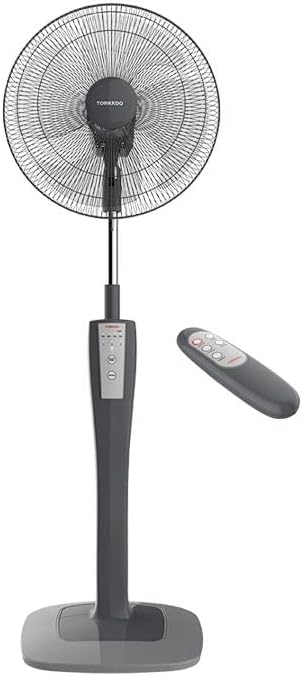 Tornado TSF 75G (16-inch stand, remote) Local pick with remote ≈ 3,500 EGP Check price on Amazon.eg
Approximate prices, checked in September 2026.
Still deciding?
Start with a question about your home.
Use the guides to compare your priorities, the specifications and the limits of each choice.
Guides, organised around your decision
Choose for your needs



Plan your budget
Understand the specifications

Use, care and troubleshooting library
Complete reading library
Buying guides and picks5
- The Best Budget Fan in Egypt That's Actually Worth Buying
Compare Fresh Galaxy and Tefal Silence Force at recorded card prices, decide if remote and timer features matter, and check noise, fit and warranty.
- Best Fan for a Small Apartment
The best fan type and size for a small apartment: stand vs tower vs ceiling fans by floor space, noise, and installation, plus a practical pick that cools without eating up room.
- Ceiling Fan Installation Basics: What to Check Before You Buy
Before buying a ceiling fan, confirm your ceiling box is rated for its weight, your wiring can feed it, and your ceiling height leaves safe blade clearance.
- Quiet Fan for the Bedroom: The Specs That Actually Matter
Want a fan you can sleep next to? It's not the brand, it's the motor, blade size, speed steps, and a steady base. The specs that make a fan genuinely quiet, plus our bedroom pick.
- What Size Fan Do You Need for Your Room?
A simple guide to picking the right fan size for your room: a 16-inch versus a 20-inch blade, and when your space needs a bigger fan or more than one.
Detailed comparisons4
- Ceiling Fan vs Stand Fan: The Difference and Which to Pick
Compare a ceiling fan's fixed installation and floor-space savings with a stand fan's portability. Choose for your room and daily use in Egypt.
- Fan vs Air Conditioner: The Cost Difference and Which to Pick
Fan vs air conditioner in one line: a fan costs far less to run and suits mild weather, an AC lowers the temperature in real heat. Monthly cost in EGP plus a decision guide.
- Rechargeable vs Regular Fan: Which to Buy for Power Cuts
Compare regular fans with battery-powered rechargeable models for power cuts in Egypt, weighing airflow, budget and the length of your outages.
- Tower Fan vs Stand Fan: The Difference and Which to Pick
Tower fan vs stand fan: the tower has a slim footprint and saves floor space, while the stand fan pushes stronger direct airflow and is usually cheaper. How to choose by room.
Running costs and energy1
- Fan Electricity Consumption: How Much Does It Cost?
A fan is one of the cheapest appliances to run: a 60W stand fan for 8 hours a day uses about 14 kWh a month, under 50 EGP on most tariff bands. We do the EGP math step by step.
Care and maintenance1
- How to Clean a Fan: Stand, Ceiling, and Rechargeable
A step-by-step guide to cleaning a fan: take apart a stand fan's grille, use the pillowcase trick on a ceiling fan, and keep water away from the motor.
Troubleshooting3
- Fan Not Working? Check These Things Before Replacing It
Fan not turning on, or humming but not spinning? Check the outlet, cord, and switch, and learn when a capacitor problem means a technician visit.
- Why Is My Fan Running Slow? Causes and the Fix
Fan losing airflow? Learn the difference between dust caked on the blades and motor housing and a worn capacitor, and how to find the real cause before buying a new fan.
- Why Does My Fan Smell Bad? Causes and Fixes
What to do when a fan smells: stop for burning or electrical odors, clean accessible dust safely, and check the exact model before returning it to use.
This guide contains affiliate links: we may earn a commission when you buy through them, at no extra cost to you. Our picks are based on research, not payment. How we choose · Full disclosure.