
 Egypt
Egypt  Saudi Arabia
  USA
USA Is Buying a Microwave Actually Worth It?
Does a microwave earn its counter space compared to reheating on the stovetop or in the oven? We compare time, energy use, and daily convenience so you can decide with confidence.
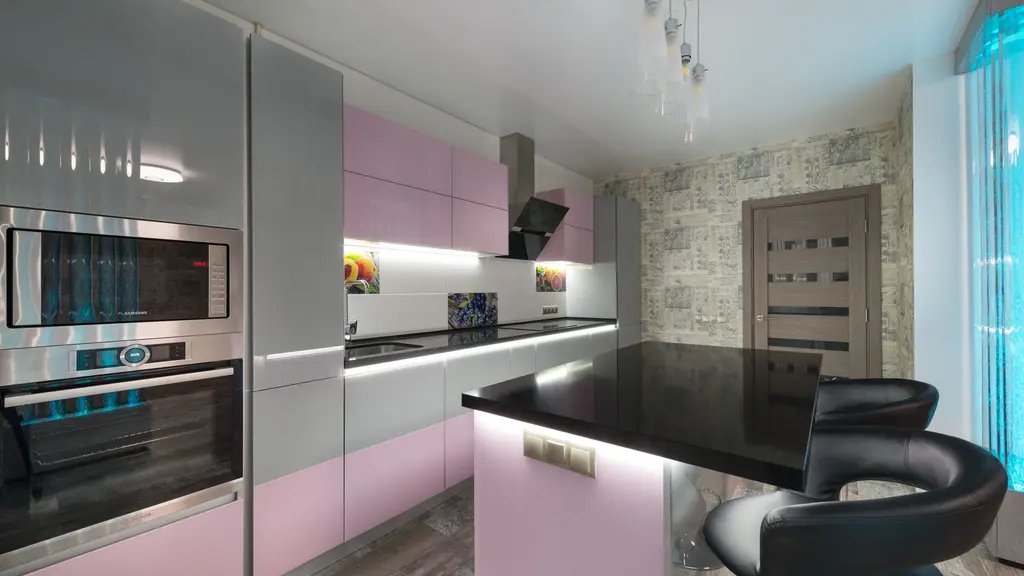
We may earn a commission from purchases through our links, at no extra cost to you. Full disclosure.
Wondering whether a microwave genuinely earns its counter space, or whether the stovetop and oven are enough for reheating? The short answer is yes for most households, because the real difference is the time and energy you spend every single time you reheat a plate, not just whether reheating is technically possible another way. Let’s compare the three options honestly before you decide.
The quick answer
Yes, a microwave is worth buying for most households, because it reheats one plate in one to three minutes with no need to watch it constantly, and it uses far less energy than preheating an oven for the same job. Add quick-defrost and the ability to cook simple things directly, and it becomes the most-used daily appliance in most kitchens. Skip it only if you genuinely reheat almost nothing at home.
Key takeaways
- A microwave is faster than the stovetop and the oven for reheating one plate. One to three minutes with no constant stirring or extra pan to wash.
- A microwave heats by agitating water molecules directly inside the food, with no need to heat all the air in an oven first (general background on the microwave oven, US FDA).
- Energy use per session is far lower than the oven, because the oven needs preheating that runs for several minutes even for one small plate.
- Quick-defrost genuinely saves time, compared to leaving frozen food on the counter for hours or soaking it in water.
- Even a compact 20L unit doesn’t need much space, so the extra counter space is small compared to the time it saves daily.
Microwave versus the stovetop for reheating
Reheating on the stovetop needs an extra pan, constant manual stirring so the food doesn’t stick or burn, and extra washing up afterward. A microwave cuts all of that down: one microwave-safe plate, one to three minutes, done. For a quick plate before heading to work or a late-night meal, this difference matters on nearly a daily basis.
Microwave versus the oven for reheating
The oven gives excellent results for dishes that need crisping or browning, but it needs preheating that runs ten minutes or more before you even put the plate in, a large energy cost for reheating one small plate. A microwave skips the preheating step entirely, because it heats the food itself directly rather than all the air inside the oven. For anyone reheating daily, that time and energy difference adds up fast over a week.
Comparison table: reheating methods
| Method | Approx. time | Energy use | Best for |
|---|---|---|---|
| Microwave | One to three minutes | Low per use | Quick daily reheating, defrosting, simple dishes |
| Stovetop | Several minutes with constant stirring | Moderate | Liquid dishes that need gradual heating |
| Oven | Needs preheating, ten minutes or more | Much higher for a short job | Bigger dishes that need crisping or browning |
When might a microwave not be worth it?
If your household almost never reheats food, you cook every meal fresh and eat it right away, or you eat out most of the time, you might not need a microwave badly. That’s genuinely a rare case for most households, but it exists. Even then, quick-defrost alone justifies the appliance for a lot of people, since it solves a common daily problem (forgetting to take food out of the freezer early) in minutes instead of hours.
Our practical pick if you decide to buy
If you’ve decided a microwave earns its space, the Samsung Solo Microwave 23L is a practical example that combines speed and convenience: a genuinely useful quick-defrost function, a ceramic interior that’s easier to clean than painted steel, and 23L capacity that fits a full plate. It carries thousands of reviews on Amazon.ae, which is exactly why it tops our guide to the best microwave in the UAE. At roughly 403 AED at the time of writing.
See the Samsung Solo Microwave 23L price on Amazon.ae ↗
Bottom line
For most households, a microwave is clearly worth buying: it saves time and energy on a daily basis compared to the stovetop and oven, and quick-defrost solves a common problem easily. Skip it only if you genuinely reheat almost nothing. If you decide to buy, first check what size microwave do you need for your household, and if your budget is tight, read is a cheap microwave good enough?. For the full buying criteria see our guide on how to choose a microwave, for the full price range see microwave prices in the UAE, or browse our microwaves section.
Sources
- US FDA, “Microwave ovens”,” general background on how a microwave works compared to other heating sources: https://www.fda.gov/radiation-emitting-products/resources-you-radiation-emitting-products/microwave-ovens
About this guide
- Editing
- Mizaan Home editorial team
- Last updated
Research based on published specifications, without hands-on testing. How we choose
Prices are checked per product; the oldest check on this page:
This analysis is based on published information from US FDA (Microwave ovens).
Frequently asked questions
Does a microwave actually save time compared to the stovetop?
Yes, clearly. Reheating one plate in a microwave usually takes one to three minutes with no need to watch or stir it constantly, while stovetop reheating needs a pan, constant manual stirring, and extra washing up afterward.
Does microwaving food ruin its taste or nutritional value?
There's no practical evidence supporting that. A microwave heats food by agitating water molecules inside it, a physical process that isn't fundamentally different from heating with other sources in terms of nutritional value. The one noticeable difference is that fast heating sometimes keeps moisture better than slow heating that dries a dish out.
Is it worth buying a microwave for a small apartment?
Yes in most cases, because even a compact 20L unit doesn't need much space, and it covers daily reheating and defrosting without complication. The extra counter space it takes up is tiny compared to the time it saves every day.
Can you skip the microwave and just use the oven for reheating?
Technically yes, but the oven needs preheating that runs ten minutes or more even for one small plate, which is far more time and energy than one to two minutes in a microwave. For anyone reheating daily, that difference adds up fast.