
 Egypt
Egypt  UAE
UAE  USA
USA How to Wash White Thobes Without Yellowing
White thobes yellow from detergent residue, hard water minerals, and body oils, not a fabric fault. The right wash routine to keep them bright in an automatic machine.
We may earn a commission from purchases through our links, at no extra cost to you. Full disclosure.
A white thobe usually yellows because of detergent residue that didn’t rinse out fully, hard water, and accumulated body oils, not a fault in the fabric or the machine itself. The fix isn’t one magic detergent, it’s a proper wash routine: the right amount of detergent, adequate water temperature, a full rinse cycle, and correct drying that prevents lingering moisture in the fabric.
The quick answer
Wash white thobes separately from colored clothes, with the right amount of detergent for the load size, in warm to hot water per the care label, and make sure the rinse cycle fully clears detergent residue. Avoid overloading the drum, since that blocks a full rinse, and dry the thobe in open air or sunlight rather than leaving it damp for long. Chlorine helps with stubborn stains but isn’t the first or routine solution.
Key points
- Yellowing comes from detergent residue, hard water minerals, and body oils building up, not a fabric defect (washing machine mechanism overview from Britannica).
- Overloading the drum blocks a full rinse, which leaves detergent residue that accumulates with every wash.
- Warm to hot water dissolves oils and residue better than cold water, within what the fabric’s care label allows.
- Chlorine is effective for stubborn stains but isn’t a routine solution, since repeated use weakens fibers over time.
- Sun drying adds a natural bleaching effect, but it doesn’t make up for an incomplete wash or rinse.
Why a white thobe actually yellows
An automatic washing machine works by moving clothes through soapy water, then rinsing in a separate cycle (washing machine overview from Britannica). The problem happens when that cycle doesn’t complete properly: small amounts of detergent residue get trapped in the cotton weave, hard water minerals settle on top layer by layer, and body oils from the neck and underarm areas build up in the same spots with every wash. The result is a gradual buildup that gives white fabric a yellowish tint even when the thobe looks clean right after washing.
The correct wash routine for a white thobe
Follow these steps in order to keep a thobe white over the long run:
- Always separate white thobes from colored clothes, even light colors, to avoid any faint dye transfer.
- Never overload the drum beyond its capacity, since an overloaded drum stops water and detergent from reaching every part of the fabric and prevents a full rinse afterward.
- Use the recommended detergent amount for the load size, since too little doesn’t clean well and too much leaves residue that’s hard to fully rinse out.
- Choose warm to hot water within what the fabric’s care label allows, since heat dissolves body oils and detergent residue better than cold water.
- Make sure the rinse cycle runs fully, and repeat the rinse if you notice leftover suds after the first pass.
- Dry the thobe immediately after the cycle ends, in sunlight if possible, since direct sunlight has a natural bleaching effect, and avoid leaving the thobe damp in the machine for long.
When chlorine helps, and when it hurts more than it helps
| Method | When it helps | Risk of overuse |
|---|---|---|
| Diluted chlorine | A specific stubborn stain or severe localized yellowing | Weakens cotton fibers with repeated use |
| Right detergent plus full rinse | The basic routine for every wash | None, if you stick to the recommended amount |
| Sun drying | An extra boost after a proper wash | No direct harm, but doesn’t make up for an incomplete wash |
| Very hot water repeatedly | Faster oil dissolving in specific cases | Gradually weakens cotton with constant repetition |
The practical rule: make the right detergent and a full rinse your foundation, use chlorine sparingly and only when needed, then treat sun drying as a final boost, not a first solution. Keep chlorine bleach away from vinegar, ammonia, and other cleaners, since the mixture gives off toxic gases, and rinse the thobe well before you try another product.
A practical add-on once the basics are right
Once your wash, rinse, and drying routine is correct, some households add a dedicated thobe-whitening product to the wash cycle, a type of non-chlorine whitening powder or liquid designed to help maintain the brightness of light fabrics over time. This kind of additive is a useful practical extra, but it doesn’t replace a properly sized load in the drum or a full rinse cycle, so the basics come first.
What the machine itself contributes to the result
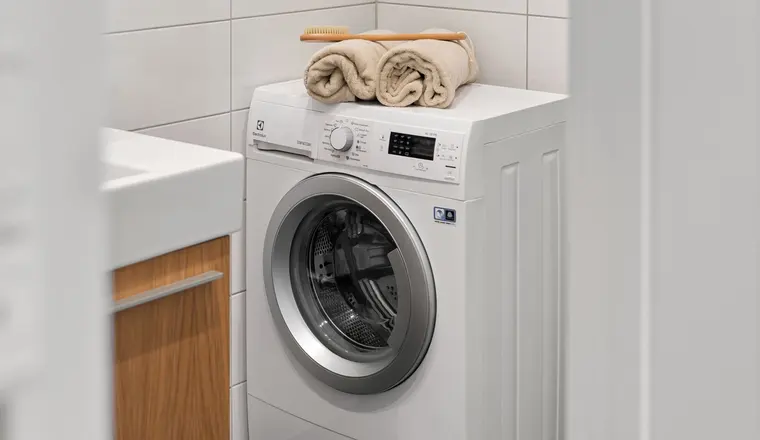
The type of washing machine doesn’t cause yellowing, but its capacity and rinse performance affect the outcome. A drum with enough capacity to hold the thobe without overcrowding, paired with a fully automatic cycle that rinses out detergent residue with no missed manual steps, reduces the chance of the buildup that causes yellowing. A practical example is the Geepas 9kg Fully-Automatic Top-Load, with a drum big enough for a family wash without overloading, and a full wash, rinse, and spin cycle in one go. We’re not naming it as a fix for yellowing on its own, but because its capacity and full automation support the correct rinse routine, and it’s also our top pick in the guide to the best washing machine in Saudi Arabia.
Bottom line
A white thobe stays bright with the right wash routine: separated from colors, a properly sized load in the drum, the correct detergent amount, warm to hot water per the care label, and a full rinse with no residue left behind, plus immediate drying in sunlight when possible. Chlorine helps with stubborn stains but isn’t a routine solution, and dedicated whitening additives are a useful practical extra once the basics are in place. To make sure your washing machine supports this routine with enough capacity and rinse performance, see our guide to the best washing machine in Saudi Arabia, and for the full buying criteria, see how to choose a washing machine. To compare the machine types available here, read front load vs top load washing machine, all part of our washing machines hub.
Sources
- Britannica, “Washing machine”, overview of the wash and rinse mechanism in an automatic washing machine: https://www.britannica.com/technology/washing-machine
About this guide
- Editing
- Mizaan Home editorial team
- Last updated
Research based on published specifications, without hands-on testing. How we choose
Prices are checked per product; the oldest check on this page:
This analysis is based on published information from Britannica (Washing machine).
Frequently asked questions
Why does a white thobe turn yellow over time despite regular washing?
Yellowing is usually caused by detergent residue that doesn't fully rinse out, hard water minerals that settle onto the fabric, and body oils around the neck and underarms that a normal wash doesn't fully remove. Over time these layers build up and give white fabric a yellowish tint even if it looks clean after each wash.
Does chlorine bleach actually whiten a thobe or damage it?
Chlorine removes stains quickly, but repeated or overly strong use weakens cotton fibers over time and can leave a dull sheen or deeper yellowing instead of a clean white. It's better used sparingly and diluted according to the fabric's care instructions, relying mainly on a good detergent, a full rinse, and the right water temperature.
Does washing a thobe in hot water prevent yellowing better?
Warm to hot water does dissolve body oils and detergent residue better than cold water, as long as the care label allows it. But repeated very high heat can weaken cotton over time, so balance matters more than using the maximum possible temperature every wash.
Does drying in the sun help whiten a thobe?
Yes, direct sunlight has a well-known natural bleaching effect on white fabric, and it's a useful addition after a proper wash, but it doesn't make up for an incomplete wash or an inadequate rinse of detergent residue.