
 Egypt
Egypt  UAE
UAE  USA
USA Refrigerator Organizers and How to Organize Fridge Shelves
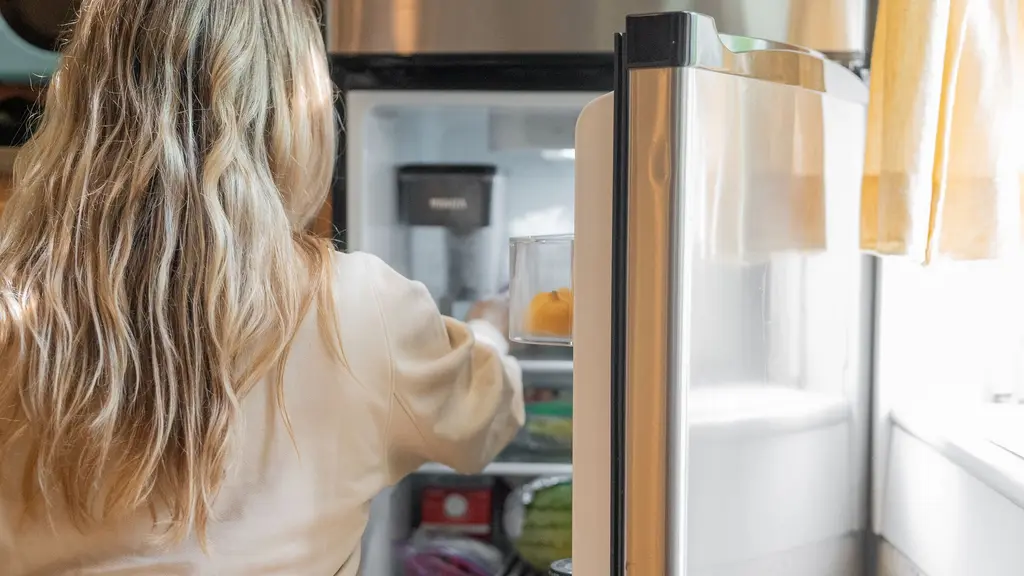
Organize refrigerator shelves with safe food separation, measured temperature and clear airflow. Choose bins that fit rather than a fixed shelf map.
We may earn a commission from purchases through our links, at no extra cost to you. Full disclosure.
Start by separating raw food in leakproof containers, making older food visible and keeping air paths clear. Do not assume the bottom shelf is coldest in every refrigerator. Check the model’s storage instructions and use an appliance thermometer.
The quick answer
Keep perishable food at 4°C or below, as the FDA recommends. Put raw meat and poultry in sealed containers on a low shelf where leaks cannot drip onto ready-to-eat food. This is a separation measure, not a claim that this shelf is always coldest. Keep older food visible and respect safe storage times; organization cannot make unsafe food safe.
Key takeaways
- Keep raw food separate from ready-to-eat food in leakproof containers.
- Check storage temperature rather than inferring it from shelf height.
- Follow the model’s drawer instructions; not every drawer has humidity control.
- Leave air paths open when adding bins.
- Date stored leftovers and put older suitable food where you will see it.
Sort by actual temperature zones first
Air outlets and the refrigerator’s design affect conditions inside. Follow its storage guidance and check temperature with a suitable thermometer instead of assigning the same fixed top-to-bottom map to every appliance. Leftovers are also perishable; do not place them in a warmer zone on the assumption that they tolerate it better.
Follow package instructions for opened sauces, juices and other foods. The FDA advises keeping eggs in their carton inside the refrigerator rather than on the door. A door bin’s convenient shape is not enough reason to use it for every dairy or egg product.
Where to put each type of food: quick reference table
| Food or area | Practical arrangement | What to check |
|---|---|---|
| Raw meat and poultry | Sealed container on a low shelf | No leaks onto ready-to-eat food |
| Leftovers and ready-to-eat food | Covered containers in a visible position | Appropriate temperature and storage time |
| Dairy and eggs | Suitable interior shelf; eggs in their carton | Package instructions and temperature |
| Produce | Drawer appropriate to the food | Model instructions and any humidity setting |
| Sauces and condiments | Accessible place for the container | Refrigeration instructions after opening |
Make older food easier to see
Move older suitable food toward the front when adding groceries, and put newer packages behind it. Label leftovers with the storage date. This can reduce forgotten items, but it is not a substitute for safe storage times or a guarantee against waste. Check contents before shopping so you do not buy what is already hidden at the back.
Bins and organizers that make the daily task easier
Bins are optional. Suitable clear bins can group small items and make a shelf easier to empty for cleaning. Measure the shelf depth, width and usable height, including the space needed to lift or pull the bin out. Follow the organizer’s cleaning instructions and do not cover the refrigerator’s air outlets.
The HOOJO organizer card is an accessory option, not a guarantee that it fits every shelf or improves food safety. Match its dimensions to your refrigerator before buying. Separate raw food securely even when containers share a larger bin.
Check shelves rather than assuming a layout
Compare the actual shelf widths, adjustable heights and drawers of a model. The Geepas 420L total does not establish a particular temperature map or room for every family’s weekly groceries. The Geepas 420L is an unavailable historical reference. Use the best refrigerator guide when comparing alternatives.
Choose storage that works with the appliance
Keep raw food contained, check temperature and leave airflow clear. Make older food visible; add bins only where their fit and access help. For a tight kitchen, see choosing a refrigerator for a small apartment. The size guide and buying guide help compare storage before purchase; the refrigerators section collects the other guides.
Sources
About this guide
- Editing
- Mizaan Home editorial team
- Last updated
Research based on published specifications, without hands-on testing. How we choose
Prices are checked per product; the oldest check on this page:
This analysis is based on published information from FDA safe food storage, GE refrigerator cooling checks, Samsung refrigerator buying guide, as of 5 October 2026.
Frequently asked questions
Is the bottom shelf always the coldest?
Do not assume a universal shelf-temperature map. Check your model's instructions and measure storage temperature. Raw meat belongs in sealed containers where it cannot drip onto ready-to-eat food.
Where should leftovers go?
Keep them covered, visible and at a safe refrigeration temperature. Date them and follow safe storage times; do not treat them as less temperature-sensitive because they are cooked.
Do I need refrigerator organizers?
No. Suitable bins can group small items, but check their dimensions and keep air outlets clear. They do not replace food separation or temperature checks.
How can I stop older food being forgotten?
Put older suitable items in front when adding groceries, date leftovers and check your stock before shopping. Discard food that is no longer safe rather than relying on order alone.