 Egypt
Egypt  UAE
UAE  USA
USA Best Water Dispenser for a Mosque or Charity Sabeel
A practical guide to choosing a water dispenser for a mosque sabeel or public charity water station: capacity, how often you'll swap bottles, and ease of use for large crowds.
We may earn a commission from purchases through our links, at no extra cost to you. Full disclosure.
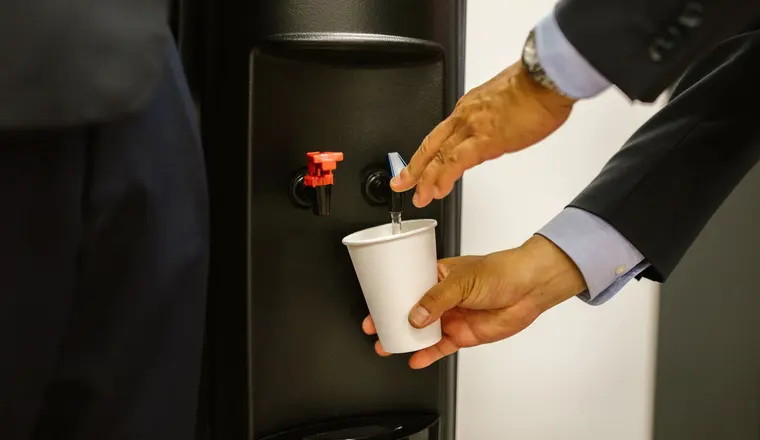
For a mosque sabeel or charity water station with normal-to-moderate daily traffic, a bottom-load design reduces repeated overhead lifting, and a room-temperature tap suits direct drinking. For a sabeel with exceptionally heavy round-the-clock traffic, honesty matters here: these are household units, and it may be worth setting up more than one, or consulting a commercial equipment supplier.
Super General 3-Tap Bottom-Loading Water Dispenser: There was no main offer on Amazon.sa when we re-checked on 25 September 2026. For a full dispenser with a main offer at our last check, compare the top-load Panasonic SDM-WD3128 in the best water dispenser in Saudi Arabia guide.
The quick answer
For a mosque sabeel with normal-to-moderate daily traffic, a bottom-load design reduces repeated lifting and a room-temperature tap suits direct serving. For exceptionally heavy traffic, consider more than one unit or dedicated commercial equipment rather than relying on a single home dispenser.
Key points
- The water sabeel is a longstanding tradition in Islamic architecture for distributing free water to passersby and worshippers, and a modern mosque sabeel today usually runs on a bottled water dispenser instead of the traditional vessel.
- A mosque sabeel swaps bottles noticeably more often than a typical household, so lifting a bottle weighing close to 20 kilograms multiple times a day makes bottom-load a real priority, not a luxury.
- A room-temperature tap matters more in practice than a hot tap for a public sabeel, since most people want mild water for immediate drinking, not hot water for tea.
- The dispensers listed here are household units, not commercial equipment built for heavy institutional use, and honest disclosure matters more than overstating their operating capacity.
- Tracking actual bottle consumption during the first week beats any upfront guess for deciding how many units and spare bottles you need.
Why bottom-load is a real priority for a mosque sabeel
The difference between a bottom-load and top-load dispenser matters more the more often you swap bottles. In a normal household, a bottle swapped every week or two isn’t much of a burden even with top-load. But at a mosque sabeel with daily traffic, where more than one bottle might get swapped in a single day during peak times or events, lifting a bottle weighing close to 20 kilograms overhead multiple times a day becomes a real, accumulating effort for whoever handles the upkeep, often a volunteer rather than staff dedicated to the task.
A bottom-load design addresses this problem: the bottle sits in the base of the unit at waist height, so there’s no need to lift it overhead no matter how often it’s swapped during the day. That alone makes bottom-load the better fit for a sabeel expecting frequent swaps, well beyond the question of personal comfort at home.
Why a room-temperature tap beats a hot tap here
In household use, the hot tap is often the most-used one, for tea and instant coffee. At a public mosque sabeel, the priority flips: most people drinking from the sabeel want mild or cold water for immediate drinking, not hot water that needs waiting or caution when serving a large crowd that includes children and elderly people. A 3-tap dispenser gives you full flexibility, letting the room-temperature or cold tap do most of the actual work while keeping the hot tap available for anyone who needs it.
Be honest about a home dispenser’s limits
Honesty matters more than overstatement here: the dispensers in our guide to the best water dispenser in Saudi Arabia, including the models discussed here, are household units designed for a typical home’s consumption, not commercial equipment built specifically for round-the-clock institutional use. For a sabeel with normal-to-moderate traffic, check a household unit’s capacity against actual daily demand. But for a sabeel with exceptionally heavy traffic, such as a large mosque during Ramadan or Hajj season, it’s worth considering more than one rotating unit to spread the load, or consulting a supplier specializing in commercial water cooling equipment built for continuous operation at volumes well beyond a household 5-gallon bottle.
How to estimate the number of units and bottles you need
Instead of guessing upfront, track actual consumption during the first week of operation: how many bottles get swapped daily, and the peak times when use clearly spikes, such as major prayer times or Friday. This real data is far more accurate than any estimate based on worshipper count alone, and it helps you decide whether one unit is enough or whether an extra unit or a larger reserve of spare bottles is worth it.
View the Super General 3-Tap Bottom-Loading Water Dispenser reference listing on Amazon.sa ↗
Bottom line
For a mosque sabeel or charity water station with normal-to-moderate daily traffic, a bottom-load design reduces repeated lifting, while a room-temperature tap suits direct serving. For exceptionally heavy traffic, be honest about a home dispenser’s limits and consider more than one unit or dedicated commercial equipment. Track actual consumption during the first week before settling on a final number of units and spare bottles. Keep the dispenser clean regularly given the heavy use, see our guide to cleaning a water dispenser, and for more on bottom-load versus top-load see bottom-load vs top-load water dispensers. For everything in this category in one place, browse our water dispensers section.
Sources
- Amazon.sa, prices and buyer reviews at publication for the Super General 3-Tap Bottom-Loading Water Dispenser
About this guide
- Editing
- Mizaan Home editorial team
- Last updated
Research based on published specifications, without hands-on testing. How we choose
Prices are checked per product; the oldest check on this page:
This analysis is based on published information from Amazon.sa.
Frequently asked questions
What is the best water dispenser for a mosque sabeel or charity water station?
A bottom-load design reduces repeated overhead lifting, and a room-temperature tap suits serving drinking water directly. For a sabeel with exceptionally heavy foot traffic, it may be worth setting up more than one unit.
Can a home water dispenser handle daily use at a mosque sabeel?
The dispensers on this list are built mainly for household use, not as commercial units designed for round-the-clock institutional demand. For a sabeel with normal-to-moderate traffic, one is a practical, reliable choice. For a sabeel with exceptionally heavy daily traffic, it's worth considering more than one rotating unit, or consulting a supplier of commercial equipment if the volume exceeds what a home dispenser is built for.
How many bottles does a mosque sabeel need per day roughly?
That depends entirely on how many people the mosque serves and the rhythm of prayers and events, and there's no fixed number that fits every mosque. The practical approach is to track actual bottle consumption during the first week of operation, then adjust the number of spare bottles and dispenser units based on that instead of guessing in advance.
Is bottom-load better than top-load for a sabeel swapping many bottles?
Usually yes. A sabeel swapping bottles several times a day means repeatedly lifting a bottle weighing close to 20 kilograms overhead if the dispenser is top-load, and that effort adds up for whoever handles the upkeep. Bottom-load removes that burden entirely since the bottle sits at waist height, and the difference matters more the more often bottles get swapped.