 Egypt
Egypt  UAE
UAE  Saudi Arabia
 How to Choose Cleaning Cloths for Your Home
A practical guide to choosing household cleaning cloths, covering surface task matching, care labels, room separation, and laundry routine planning.
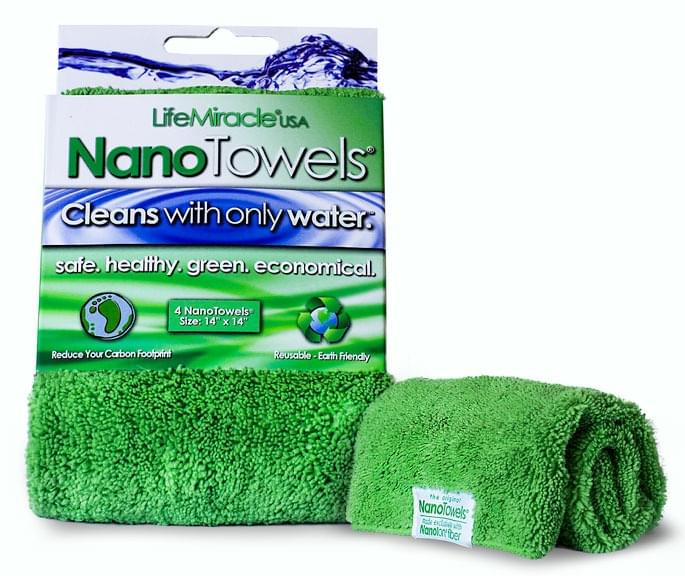
Verdict: Start with the surfaces you clean most, then choose cloth sizes and care instructions that suit those jobs. Keep kitchen and bathroom cloths separate, and buy enough to rotate through your usual wash days. This guide helps you build a simple reusable cleaning routine.
We may earn a commission from purchases through our links, at no extra cost to you. Full disclosure.
Who should buy
- You want to organize a practical cleaning cloth rotation across different rooms
- You need a straightforward approach to checking surface care labels and laundering rules
- You want to size your cloth supply around your household laundry schedule
Consider another option if
- You prefer single-use cloths for every task
- You need commercial shop rags for automotive work
Matching cloths to household tasks
Selecting reusable cleaning cloths starts with an inventory of routine household tasks:
- Everyday dusting and dry wiping: Light cloths work well for clearing dry dust from shelving, window sills, and moldings.
- Kitchen counters and dining tables: Routine wiping of crumbs, food spills, and appliance exteriors requires cloths that wash easily and rotate through regular laundry cycles.
- Glass, mirrors, and reflective surfaces: Check surface labels and use clean, dedicated cloths to wipe windows and mirrors without cross-contaminating finishes.
- Utility chores: Reserve older utility cloths for outdoor patio furniture, gardening tools, or garage work.
Always consult surface care labels before cleaning delicate hardwood furniture, natural stone, or specialty screen coatings.
Keeping living areas separated
To maintain clean living spaces, establish a clear routine for keeping cloths separated by room:
- Kitchen cleaning: Designate specific cloths for food prep counters, dining tables, and appliance handles.
- Bathroom fixtures: Keep bathroom cloths strictly separated from kitchen and general living area linens.
- Storage organization: Using different colored cloths or dedicated storage bins helps household members keep tasks separated.
Surface care notes
Match the instructions for both the cloth and the surface. A soft appearance or a microfiber label does not make a cloth suitable for every coating. Keep grit and residue away from delicate finishes, and use the device manufacturer’s directions for screens.
| Cloth choice | A practical reason to consider it | Check before using it |
|---|---|---|
| A washable cloth you already own | Routine spills and wiping without another purchase | Condition, loose fibers and care label |
| A cloth sold for glass or polishing | A dedicated finishing step | Compatibility with the exact surface or coating |
| An all-purpose reusable pack | Separate cloths for several areas and laundry rotation | Size, quantity and washing instructions |
| Disposable cleanup material | A task where you do not want to keep the soiled material | The full cleaning or sanitizing step still required |
The CDC cleaning guide separates removing dirt from disinfecting. Do not treat a cloth’s water-only claim as a substitute for a labeled disinfectant when one is needed. For NanoTowels’ own care and material limits, see our review.
Storage, care, and laundry planning
Proper storage and laundry planning help you get dependable use from reusable cleaning cloths:
- Keeping used cloths separate: Never leave damp cloths crumpled in enclosed dark spaces. Allow used cloths to air-dry and keep them separate from clean linens until wash day.
- Follow care labels: Always check the laundering instructions on each received product. For NanoTowels, the seller specifies warm hand wash or machine wash with normal colors, without bleach or fabric softener.
- Sizing your collection: Choose your cloth pack size based on your household laundry schedule. Having enough cloths to rotate between regular wash days ensures you always have clean cloths ready.
Choose your pack size
Count the cleaning areas you want to supply and allow for cloths that are in the wash. NanoTowels is available in packs of 4, 8 and 24; our pack-price guide puts those options side by side.
Related resources
- Cleaning Cloths in the USA
- Cleaning Cloth Prices in the USA
- NanoTowels Review
- Reusable Cleaning Cloths Guide
- All Cleaning Cloths Resources
About this guide
- Editing
- Mizaan Home editorial team
- Last updated
Research based on published specifications, without hands-on testing. How we choose
Frequently asked questions
How do you match cleaning cloths to household tasks?
Review your routine chores such as dusting, counter wiping, and appliance care. Always check manufacturer care labels on sensitive furniture, unsealed stone, or electronic displays.
How do you check if a cloth is suitable for delicate surfaces?
Consult the care instructions for both the cloth and the surface. For specialty finishes, test an inconspicuous area before routine use.
Why is room separation important for cleaning cloths?
Keeping separate cloths for kitchen food prep areas and bathroom fixtures helps avoid moving bathroom soil to dining surfaces. Storing cloths in designated containers helps maintain this routine.
How should cleaning cloths be washed and cared for?
Always follow the care label on each cloth. For Water Liberty NanoTowels, seller instructions specify warm hand or machine washing with normal colors, avoiding bleach and fabric softeners.